A Guide to Successful Puppy Socialization
A Guide to Successful Puppy Socialization
Puppy Socialization
Is socialization really that important?
Absolutely! In order to experience a confident, happy dog who feels comfortable in a variety of situations, early and proper socialization helps set that foundation. For self preservation, the brain naturally equates novelty with danger. If a puppy has encountered very little during the critical socialization period up to 16 weeks of age, nothing they encounter in the future will be familiar and will therefore be considered unsafe. With each new positive experience a puppy has, we’re creating a sort of “library” in their brain of things marked “safe”. While it’s impossible to expose them to every single thing they might encounter in their futures, building a large enough “library of safe experiences” in their brains can help puppies generalize to similar encounters later in life.
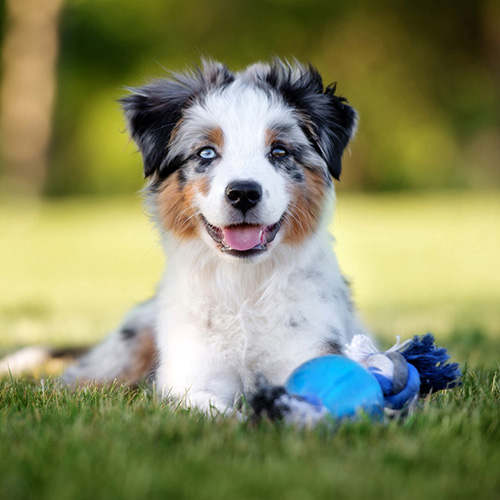
A well socialized puppy tends to have a more optimistic and curious view of new experiences rather than a stressed and anxious view of novelty. When dogs are afraid of new things they won’t enjoy outings with their humans or social interactions with people or other animals and that can reduce their overall quality of life. Aggressive behavior is often rooted in fear, and anxiety can wreak havoc on a dog’s overall health. Proper socialization can help reduce the likelihood of dogs developing anxiety or aggression and help them live an overall happier, more confident, and stress free life with their humans!
As puppy brains develop and learn to be more self-reliant as they grow more independent from mom and littermates, they can experience “Fear Periods”. During these periods that can last between 2-3 weeks, they are more hyper aware of dangers in their environment and may react irrationally fearful of inanimate objects or people or experiences they may even have previously enjoyed.
The first fear period can occur between 8-11 weeks, which is typically when they go to their new homes and leave everything familiar behind. It’s a scary time in a baby canine’s life and requires a little extra patience and TLC. The second fear period can occur at sexual maturity between 6-14 months of age. Small breed dogs will typically experience it closer to 6 months and larger breeds closer to 14 months. Not all dogs will experience noticeable fear periods but if your puppy is suddenly spooking, it may be a fear period and it’s wise to pull back on socializing and be mindful to keep experiences even more short, simple, and positive than usual until the fear period passes.
Getting out and exploring the world will familiarize your puppy to all sorts of sights and sounds. It’s helpful to remember that everything is new to a young dog and some sights that are an everyday expectation to us can be novel and startling to little eyes that have never seen it before. Anything from a fire hydrant on a sidewalk, to a plastic bag blowing in the breeze, to someone whizzing by on a bicycle or skateboard. We can do a world of good by giving puppies exposure to everything in their world in a kind and gentle way. We can use a fun and upbeat voice when puppies encounter something new by playfully encouraging their curiosity with something like “what a brave puppy! What do you see there?”. Our tone and calm body language can help them feel at ease that if you’re not concerned about it, they don’t have to be either!
The goal of socialization is not to make them interact with everything in their environment, it’s to help them feel comfortable even just seeing strange sights from afar. As puppies observe the world around them you can offer tasty bites of their favorite foods to help build a positive association. If a puppy seems to be gazing at a particular object, it’s helpful not to just whizz past it, but offer a few moments for them to process what they’re seeing as you praise them. If they choose to get curious and approach an object for further investigation you can praise and reinforce that too with tasty treats. They should never be forced to interact with something they are not comfortable with.
Safety
Strollers, wagons, shopping carts, and carry bags are an excellent way to provide socialization opportunities to young puppies who aren’t fully vaccinated yet. Since walking them on the ground exposes them to potential disease from other dogs, carrying them can be a much safer option. Just keep in mind that they are more confined and it’s harder for them to have the choice to back away if something feels frightening to them. Careful observation of their body language is key. If they lean away, start panting when it’s not hot, are holding their ears back or attempt to hide, these are clues that your puppy may need a break because it’s a little too much to handle at that time.
Duration
Less can often be more when it comes to puppy socialization. The shorter the outing the better, because we can create a pleasant experience, and a positive association without overwhelming them. Even a quick 10 minute outing to run an errand with you can go a long way in helping puppies get familiar with sights and sounds around them. In situations where a puppy has the potential to be overstimulated like a child’s birthday party or sports event, it is important to plan ahead for how you can provide some quiet periods for your puppy to rest and recharge and get away from the chaos.
When guests come over, you can request that they sit on a chair or on the floor and encourage your puppy to come to them. They can talk sweetly and wiggle a toy to catch the puppy’s interest. Having a toy in hand will also provide something for teething puppies to chew instead of hands which can help reduce the unwanted behavior of mouthing people during greetings.
Some puppies will run up to strangers while others may take a moment to feel comfortable. It’s important to allow puppies to interact at their own pace and comfort level. Especially around children or more exuberant guests, puppies should be allowed to leave the interaction when they have had enough. Many puppies, if given the choice, will gladly interact with humans, then go off to engage in their own activities, and return from time to time for more human interaction. It can be hard for some guests to understand especially when they are there for only a short time to get their puppy fix. We can kindly advocate for puppies by saying something like “Right now I’m working on getting Fluffy comfortable with people in small doses so I’m really glad you’re here to help me do that! Her little puppy brain can only handle short spurts of interaction so if she walks away, go ahead and let her do her own thing and then she can get some more fun time with you when she decides she’s ready for more interaction”. If they continue trying to interact with your puppy when it’s no longer welcome, you can advocate for your puppy by putting him or her in a playpen with fun toys and chews to get a break from human interaction.
When you’re out and about and strangers are interested in meeting your puppy, you can ask them to encourage your puppy to come to them to interact. You can give your puppy treats to help build a positive association with meeting new people. It’s best to keep interactions short, and then move on your way. If your puppy chooses not to interact with the stranger, you can kindly tell the person “he’s still a little shy, but thank you for taking the time to stop and see us! It was a pleasure meeting you!” and then go on your way.
In our efforts to socialize puppies we can sometimes bombard them with too much of a good thing. It’s important to remember that one of the most vital skills a dog can learn is to feel confident and safe around people. They don’t need to interact with every person much like we wouldn’t walk into a store and hug every person. Simply learning to exist in a crowded space and be able to comfortably relax and observe is an important skill for dogs to learn. You can go to a park, outdoor cafe, or other area where your puppy can watch people pass by. Simply placing a blanket on the floor to protect your puppy from making contact with the floor if not fully vaccinated, and providing an edible chew or dropping treats when people pass by is an excellent socialization opportunity! Even just 5-10 minutes of this can go a long way in building confidence around people and prevent challenging behavior problems later in life.
Things you can do at home
We can help expose puppies to different surfaces to reduce stress later in life. Simply place items like a metal cookie sheet, a fake grass mat, or an Amazon packaging bag in their play space. You can also feed your puppy on different surfaces such as on the bathroom tile, in a bathtub or shower, and on raised surfaces such as a kitchen counter or table. Alternatively you can toss a handful of treats on these surfaces as well. Just be sure to carefully monitor your puppy during these experiences for safety and to gauge the puppy’s stress levels. If your puppy seems stressed at any point, seek the help of a certified professional to help you structure an appropriate socialization plan.
These puppies I fostered from the shelter are having a wonderful time playing on different surfaces and building familiarity with novel textures.
Here’s another video where they are eating in a new space walking on more new textures.
Another simple way to include novelty into puppies’ lives is by offering objects to eat out of. It may sound like a pointless or silly exercise, but it can offer multiple benefits. First, as puppies lick food off of different objects, they will shake, rattle, and make different noises. Because they are the ones in control of how much noise each object makes based on how they interact with it, it can help them build confidence at their own pace. Second, as puppies approach new objects and discover they have yummy treats inside, it can help them have a more optimistic view of the world. Instead of new things being potentially dangerous, they can be something fun! Lastly, puppies will often step on the objects which also provides further socialization!
You can drop kibble or treats into different objects or smear xylitol free peanut butter or chicken or beef baby food on them. If your puppy is more cautious you can start by placing objects on a softer surface like a blanket or rug so it won’t move as easily or make as much noise. Eventually you can move on to setting objects on harder surfaces like tile or wood floor.
Here are a few suggestions to get you started:
- Metal muffin tin
- Glass/ceramic casserole dish
- Pie tin
- Upside down pan lid
- Measuring spoons on a ring
- Plastic cup
- Yogurt lid
Desensitization
It’s very important for puppies to be exposed to sounds gently in small doses. As with any part of the socialization process, if we try to rush the process we can actually do more harm than good. Puppies are impressionable, and our goal in the socialization process is to provide exposure without eliciting a fear response. If a puppy is exposed to something really scary to them, their brain will file that experience away in their “mental library” as unsafe. In the future, any time they experience it again they can rush to avoid it and can experience great anxiety and distress upon exposure.
Recordings played at a low volume or giving your puppy enough distance from sounds is the best way to start. You can gauge your puppy’s response and increase the volume or decrease the distance if your puppy is comfortable. For example, if you are turning on the blender in the kitchen, it would be best to ensure your puppy is not close to the device until you know how your puppy reacts. You can start the blender on the first speed with just water in it and turn it on for a brief 2-3 seconds and then turn it off. Over several sessions you can increase the speed, duration, and intensity by putting ice cubes in the blender to make more sound and letting it run for a few more seconds or at a higher speed.
Positive association
The second piece in the socialization process is to pair something positive with the sounds. It’s not enough that “nothing bad happened” or puppies can always be on the fence about how they feel around any particular sound they aren’t sure of. Since it’s hard to know what a puppy is thinking unless their body language shows clear signs of distress with tail tucked, ears back, whining, freezing, or running away it’s hard to know how they feel about any sound we expose them too. Puppies should be happily playing, chewing a delicious edible chew, or eating treats whenever we’re exposing them to sounds. If they’re unable to do these things when the sound is playing it means we need to reduce the intensity of the sound until they’re comfortable again.
To really help puppies make a positive association with sounds, you can turn on the sound and start dropping treats, then turn off the sound and stop tossing treats. The sound turning on or off will eventually become a signal for fun because the treats start only when the sound occurs and when the sound stops the fun ends. if your puppy really loves playing with toys you can do the same thing with a game of tug. Sound starts, tug begins, sound stops, playtime ends. This can be repeated several times. You can use sounds found on YouTube for fireworks, thunderstorm sounds, and other noises your puppy might find scary so you can start at a low volume. If you have household appliances you frequently use it’s convenient to just use the appliance itself.
Here’s a list of sounds to get started:
- Fireworks
- Thunderstorms
- Coffee grinder
- Blender
- Vacuum
- Hammering and construction sounds
- Lawn mower
- Leaf blower
- Crowd sounds
- Children screaming
- Babies crying
- Cats meowing
- Dogs barking
- Parrots screeching
- Objects dropping on the floor
- Loud cars
- Motorcycles
You can practice getting your puppy, used to being handled by touching their paws, ears, and other parts of their body very gently when they are sleepy. You can provide a treat whenever you touch these areas as well. You can practice scruffing the back of the neck as you would if they were to get a vaccination, and then give lots of treats and praise. Check each nail as though you are going to clip them, and offer treats and praise, and start getting your puppy used to the tools you will use like brushes and nail clippers by pairing the presence of them with yummy treats. You can also get your puppy used to brushing by doing a few brush strokes while your puppy licks meat baby food or peanut butter off a licky mat or spoon. To get young dogs used to baths, you can scatter treats in the tub for them to find and once they are comfortable in the shower, you can gradually get them used to running water by feeding treats when the water turns on and stopping treats when the water turns off. Gradually you can do this same exercise as you wet your puppy.
Depending on your puppy’s coat and breed, consider the grooming requirements they will have in the future to help get them prepared when they are young and impressionable.
Some things to consider positively exposing your puppy to:
- Baths
- Restraint
- Ears being examined
- Nails and paws being gently squeezed
- Paw pads being examined
- Teeth being examined
- Tail lifted for temperature taking
- Standing on scale
- Nail trimmers
- Brush
- Scissors and electric clippers for long haired dogs
- Stethoscope
- Shots and blood draws

Continuing Socialization
Just because a puppy has been well socialized during the socialization window, doesn’t mean the job is done. Life will always present new experiences and fearful dogs in particular may need more help in learning that the world is safe. For any dog, continuous positive experiences are a key aspect of providing an enriched and enjoyable life for dogs.